
Last updated: Aug 2026
Cleaning sex toys correctly isn't optional — it's the difference between a toy that's safe to use and one that harbors bacteria, degrades faster, and puts your health at risk. This guide covers the right cleaning method for every material, the mistakes that damage toys, and why the material your toy is made from determines everything about how you clean it.
The single most important concept in sex toy cleaning: porous vs. non-porous materials. Porous materials (TPE, rubber, jelly) absorb bacteria into microscopic surface channels that soap and water cannot reach. Non-porous materials (platinum silicone, glass, stainless steel) have no such channels — bacteria sits on the surface and is fully removed by cleaning. This distinction determines which cleaning methods actually work.

How to Clean Sex Toys by Material
Platinum-Cured Silicone (No Electronics)
The easiest sex toy material to clean — and the only one that can be fully sterilized at home.
- Boiling: Submerge in boiling water for 3–5 minutes. Full sterilization. Best method for non-vibrating silicone toys.
- Dishwasher (top rack, no detergent): High-heat cycle sterilizes effectively. No detergent needed — residue can irritate.
- 10% bleach solution: 1 part bleach to 9 parts water. Soak for 10 minutes, rinse thoroughly.
- Antibacterial soap + warm water: Minimum standard for between-use cleaning. Scrub all surfaces, rinse completely.
Platinum silicone is non-porous — bacteria cannot penetrate the surface. Any of the above methods removes 100% of surface contamination.
Platinum-Cured Silicone (With Electronics / Vibrating)
- Wipe down with a damp cloth and antibacterial soap. Do not submerge — electronics are not waterproof unless explicitly rated IPX7.
- For IPX7-rated waterproof vibrators: rinse under running water with antibacterial soap. Do not boil.
- Dry completely before storage — moisture in charging ports causes corrosion.

TPE / TPR (Thermoplastic Elastomer / Rubber)
TPE and TPR are porous. No cleaning method fully sterilizes them — bacteria penetrates the surface and cannot be removed.
- Wash with warm water and mild, unscented soap after every use.
- Do not boil — heat degrades TPE and accelerates surface breakdown.
- Do not use alcohol — strips the surface and causes cracking.
- Use a condom over TPE toys for internal use — the only way to prevent bacterial contamination of the porous surface.
- Replace TPE toys when surface becomes sticky, discolored, or develops persistent odor — these are signs of material degradation.
Glass
- Boiling, dishwasher, or 10% bleach solution — same as non-porous silicone.
- Inspect before every use: Run your finger over the entire surface. Any chip, crack, or rough spot means discard immediately — glass fractures under use pressure.
- Borosilicate glass (the standard for quality glass toys) is thermal-shock resistant. Standard glass is not — do not boil standard glass.
Stainless Steel
- Boiling, dishwasher, or 10% bleach solution.
- Non-porous and fully sterilizable — same cleaning standard as platinum silicone.
- Dry immediately after washing to prevent water spots (cosmetic only, not a hygiene issue).
ABS Plastic / Battery-Operated Toys
- Wipe with a damp cloth and antibacterial soap. Do not submerge — battery compartments are not waterproof.
- ABS plastic is non-porous — surface cleaning is effective.
- Remove batteries before cleaning. Dry completely before reinserting.
How Often Should You Clean Sex Toys?
- Before first use: Always — even new toys carry manufacturing residue and packaging contamination.
- Before every use: Especially if stored for more than a few days.
- After every use: Immediately — bacteria multiply rapidly on warm, moist surfaces.
- After sharing between partners: Full sterilization (boiling or bleach solution) between uses, or use a condom.
Common Sex Toy Cleaning Mistakes
- Using soap on TPE and assuming it's clean. Soap removes surface contamination but cannot reach bacteria inside porous material. TPE toys used internally without a condom carry ongoing bacterial risk regardless of how thoroughly you wash them.
- Submerging electronics in water. Unless the toy is explicitly rated IPX7 waterproof, submerging damages the motor and voids any warranty. Wipe-clean only.
- Using alcohol on silicone. Isopropyl alcohol degrades platinum silicone's surface over time, causing tackiness and micro-cracking. Use antibacterial soap or boiling instead.
- Storing before fully dry. Moisture trapped in storage bags or cases promotes mold and bacterial growth. Air dry completely — at least 30 minutes — before storing.
- Storing different materials together. TPE and silicone stored in contact will react — TPE leaches plasticizers that degrade silicone surfaces. Store each toy separately.
- Using scented or oil-based soaps. Fragrance and oil residue irritates mucous membranes. Use unscented, water-based antibacterial soap only.
How to Store Sex Toys After Cleaning
- Individual storage bags or pouches — prevents cross-material contact and dust accumulation. Many toys come with a storage pouch; use it.
- Original packaging — designed for the toy's shape and material. Reuse if intact.
- Away from direct sunlight — UV degrades silicone and TPE over time.
- Away from heat sources — high ambient temperature accelerates material breakdown.
- Dry environment — humidity promotes bacterial and mold growth even on clean toys.

Why Platinum Silicone Is the Easiest Sex Toy to Clean
If you own a platinum-cured silicone toy, you have the simplest cleaning routine of any sex toy material: boil it, or wash it with antibacterial soap. That's it. No condoms required. No replacement schedule. No degradation timeline.
The non-porous surface means bacteria cannot penetrate — cleaning is complete and verifiable. The material withstands boiling, bleach, and dishwasher cycles without degrading. A platinum silicone toy cleaned correctly after every use will maintain its surface integrity for years.
This is the material standard Domlust uses across its entire product line — not because it's the cheapest option (it isn't), but because it's the only material that meets all four requirements simultaneously: non-porous, sterilizable, hypoallergenic, and durable.

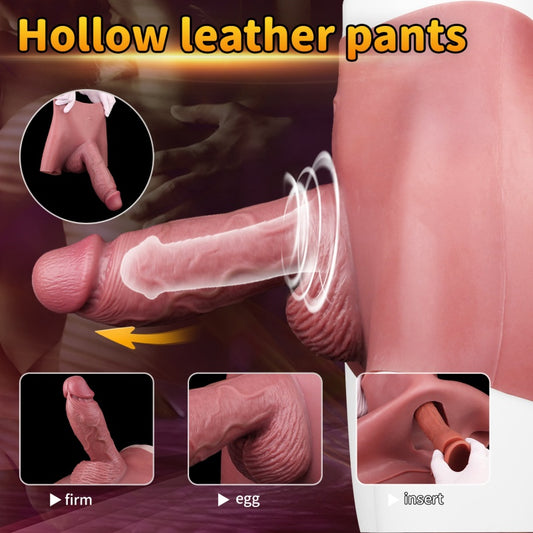
PLATINUM SILICONE · G-SPOT · BOILABLE
Curved Realistic Suction Dildo — Precision G-Spot Stimulator
Platinum-cured silicone — non-porous, boilable, and fully sterilizable. Wipe, wash, or boil. No degradation, no odor buildup, no replacement schedule.
View Product →
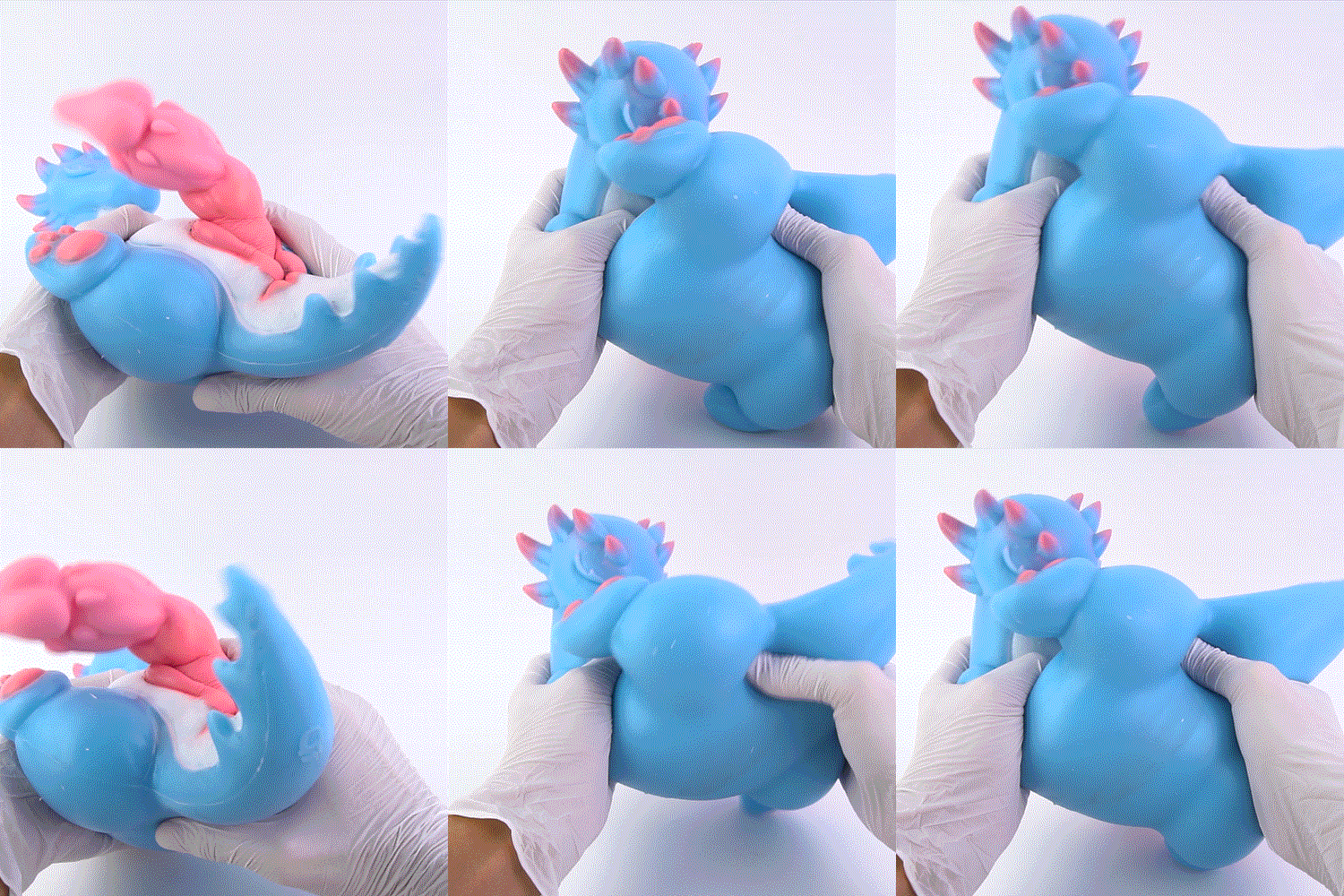
PLATINUM SILICONE · FANTASY · EASY CLEAN
Fire Dragon Mini Sex Doll — Fantasy Silicone Masturbator
Platinum silicone construction — non-porous surface cleans completely with antibacterial soap and warm water. No condom required, no porous material concerns.
View Product →FAQ: How to Clean Sex Toys
How to clean sex toys without a cleaner?
For non-porous materials (platinum silicone, glass, stainless steel): boiling water for 3–5 minutes is the most effective cleaning method and requires no cleaning product. For electronic toys: a damp cloth with warm water removes surface contamination. Unscented antibacterial hand soap is the minimum standard for between-use cleaning of all materials.
Can you use soap to clean sex toys?
Yes — unscented, water-based antibacterial soap is the standard cleaning method for most sex toys. Avoid scented soaps (fragrance irritates mucous membranes), oil-based soaps (leave residue), and soaps with alcohol (degrades silicone). For non-porous materials, soap cleaning is fully effective. For porous materials (TPE), soap removes surface contamination but cannot sterilize the material.
How often should you clean sex toys?
Before first use, before every use (if stored more than a few days), and immediately after every use. For shared toys: full sterilization between partners, or use a condom.
How to clean a vibrator?
Check the waterproof rating first. For IPX7-rated waterproof vibrators: rinse under warm running water with antibacterial soap. For non-waterproof vibrators: wipe with a damp cloth and antibacterial soap — do not submerge. Dry completely before charging or storing.
Can you put sex toys in the dishwasher?
Only non-electronic, non-porous toys: platinum silicone (no vibrator), borosilicate glass, and stainless steel. Top rack only, no detergent (residue irritates). Do not put TPE, ABS plastic, or any electronic toy in the dishwasher.
How to clean sex toys made of silicone?
For non-vibrating platinum silicone: boil for 3–5 minutes, or run through the dishwasher (top rack, no detergent), or soak in 10% bleach solution for 10 minutes. For vibrating silicone: wash with antibacterial soap and warm water — do not boil or submerge unless IPX7 rated. Do not use alcohol on silicone.
How to clean sex toys made of TPE?
Wash with warm water and mild unscented soap after every use. Do not boil — heat degrades TPE. Do not use alcohol. Use a condom over TPE toys for internal use — the only way to prevent bacterial contamination of the porous surface. Replace when the surface becomes sticky, discolored, or develops persistent odor.