
Last Updated: July 2026
The words kink and fetish are used interchangeably online — but they describe fundamentally different things. Understanding the difference is not just semantic: it changes how you explore your desires, what products actually work for you, and how you communicate with partners.
What Is a Fetish? (Quick Answer)
- Fetish definition: A fetish is a specific object, material, body part, or scenario that is consistently required for — or significantly enhances — sexual arousal
- Kink definition: Kink is a broader openness to non-conventional sexual experiences — flexible, situational, exploratory
- Key difference: Kink is curiosity. Fetish is focus. Kink is optional. Fetish is central.
- Is fetish normal? Yes. Research consistently shows 45–65% of people have at least one fetish. The most common involve materials, body parts, and power dynamics.
- Is fetish a disorder? No — unless it causes distress or harm. Consensual fetish exploration is a recognized part of healthy sexuality.
What Is a Fetish? The Complete Definition
The clinical definition of fetish (from the DSM-5 and ICD-11) describes it as recurrent, intense sexual arousal to a nonliving object, a specific body part, or a non-genital body part. But this clinical framing misses the lived experience of most people who identify as having a fetish.
A more useful working definition:
A fetish is a specific element — material, shape, sensation, dynamic, or scenario — that consistently becomes the center of arousal. Without it, desire is diminished. With it, desire is sharpened.
This is the distinction that matters: fetish is not about intensity or extremity. It is about specificity and consistency.
Fetish vs Preference vs Kink: The Spectrum
| Term | Definition | Required for arousal? | Consistency |
|---|---|---|---|
| Preference | Something you enjoy more than alternatives | No | Variable |
| Kink | Non-conventional sexual interest you explore situationally | No | Situational |
| Fetish | Specific element consistently central to arousal | Often yes | Repeatable |
| Paraphilia | Clinical term for atypical arousal pattern (neutral — not inherently disordered) | Yes | Fixed |
What Is Kinky Sex? The Real Definition
Kinky sex refers to sexual activity that falls outside conventional or "vanilla" scripts — but the defining characteristic is flexibility and exploration, not any specific act.
Common examples of kinky sex:
- Light BDSM (bondage, blindfolds, restraints)
- Roleplay and power dynamics
- Sensation play (temperature, texture, impact)
- Dirty talk and verbal dynamics
- Toy exploration — vibrators, dildos, anal toys
- Exhibitionism or voyeurism in consensual contexts
The key trait of kink is that it is optional and situational. You might enjoy bondage in one context and not need it in another. The experience is pleasurable but not required. Kink asks: "What should we try?"
Fetish asks: "What do I need?"
Kinky Sex vs Fetish: Side-by-Side Comparison
| Aspect | Kinky Sex | Fetish |
|---|---|---|
| Core drive | Curiosity and exploration | Specific focus |
| Flexibility | High — varies by mood/partner | Low — consistent element required |
| Role in arousal | Enhances but not required | Central — often required |
| Sensation type | Variety-seeking | Precision-seeking |
| Self-knowledge required | Low | High |
| Partner communication | Helpful | Essential |
| Toy selection | Broad — any category | Specific — material/shape/function matters |
The practical implication: if you have a fetish, generic toys will not satisfy it. A material fetish requires the correct material. A size fetish requires the correct size. A texture fetish requires the correct geometry. This is why material quality and precision engineering matter more for fetish users than for casual kink exploration.
The Psychology of Fetish: What Research Actually Shows
Fetish is not a modern phenomenon or a product of internet culture. It has been documented across cultures and throughout history.
Prevalence Data
- A 2016 study published in The Journal of Sex Research found that 45.6% of respondents had experienced at least one paraphilic interest, and 26.3% had acted on one
- The most common fetish categories: body parts (feet, hands, hair), materials (leather, latex, silicone), and size/shape (large, unusual forms)
- Kinsey's original research (1948/1953) documented the wide spectrum of human sexual response — establishing that variation is the norm, not the exception
- A 2020 meta-analysis found that fetish interests are significantly more common in men than women, but present across all genders and orientations
Neurological Basis
Fetish formation is associated with cross-activation between adjacent brain regions — most notably the somatosensory cortex areas for genitalia and feet (which are anatomically adjacent), explaining the prevalence of foot fetish. More broadly, fetish involves the conditioning of arousal responses to specific stimuli through repeated association — a process that begins in adolescence for most people.
Is Fetish a Mental Disorder?
No — with one qualification. The DSM-5 distinguishes between a fetish (a paraphilia — a variant arousal pattern) and a fetishistic disorder (a paraphilia that causes significant distress or functional impairment). Having a fetish is not a disorder. A fetish only becomes clinically relevant if it causes the person distress or involves non-consenting parties.
Common Fetish Types: A Taxonomy
Material Fetishes
Arousal centered on specific materials — their texture, temperature, smell, or feel against the body. The most common material fetishes involve leather, latex, silk, and silicone. Material fetishes are among the most directly addressable through product selection — the correct material produces the correct response; the wrong material does not.
Silicone fetish specifically: Platinum-cured silicone has a distinct tactile profile — warm, smooth, slightly yielding, with a skin-like quality that no other material replicates. For users with a silicone material fetish, the material itself is part of the arousal architecture, not just a delivery mechanism.
Size and Shape Fetishes
Arousal centered on specific dimensions — large size, unusual shape, non-human geometry. This is the fastest-growing fetish category in the toy market, driving the 2026 trend toward larger, more geometrically complex designs. The key engineering requirement: large sizes must be made from materials that are soft enough to be safe — which is why platinum silicone dual-layer construction is the only viable approach at extreme sizes.
Primal Fetish
Arousal centered on instinct, raw sensation, and animalistic dynamics — not aggression or lack of consent, but the stripping away of social performance to access a more fundamental physical state. Primal fetish often involves:
- Pursuit and capture dynamics (consensual)
- Growling, biting, scratching within agreed limits
- Animal-inspired aesthetics and sensations
- Intensity and presence over technique
Power Dynamic Fetishes
Arousal centered on control, submission, dominance, or service. This includes BDSM dynamics, praise kink (arousal from verbal affirmation/approval), degradation, and service-oriented dynamics. Power dynamic fetishes are psychological in nature — the physical acts are secondary to the relational structure.
Fantasy and Non-Human Fetishes
Arousal centered on non-human forms — alien, monster, animal-inspired, or mythological aesthetics. This category has grown significantly with the normalization of fantasy content and the availability of high-quality fantasy toys. The key distinction: fantasy fetish is about the aesthetic and sensation of non-human forms, not actual animals or non-consenting parties.
How Domlust's Product Philosophy Addresses Fetish (Not Just Kink)
Most sex toy brands are designed for kink exploration — broad appeal, general stimulation, accessible price points. Domlust is designed for fetish users — people who know what they need and require precision to get it.
The difference in practice:
Material Precision
Fetish users with a silicone material interest require platinum-cured silicone — not TPE, not rubber, not "body-safe" plastic. Platinum silicone has a specific tactile profile: non-porous, warm, slightly yielding, skin-like. It is the only material that consistently delivers the sensation profile that silicone fetish users require. Domlust uses platinum silicone exclusively — not as a marketing claim, but as a manufacturing constraint.
Size and Geometry Precision
Size fetish users require exact dimensions — not "approximately 10 inches" but precisely engineered geometry that delivers the specific fullness, stretch, or depth they need. Domlust's CNC-milled steel molds at 0.05mm precision mean the internal texture, external geometry, and dimensional specifications are exact across every production run.
Fantasy Aesthetics
Fantasy fetish users require designs that go beyond human anatomy — animal-inspired, alien, monster, tentacle, and hybrid forms. Domlust's fantasy collections are designed for users whose fetish centers on non-human form, not users who want a slightly unusual vibrator.

Primal & Animal Fetish
Domlust Animal Fantasy Collection — Primal Fetish Designs
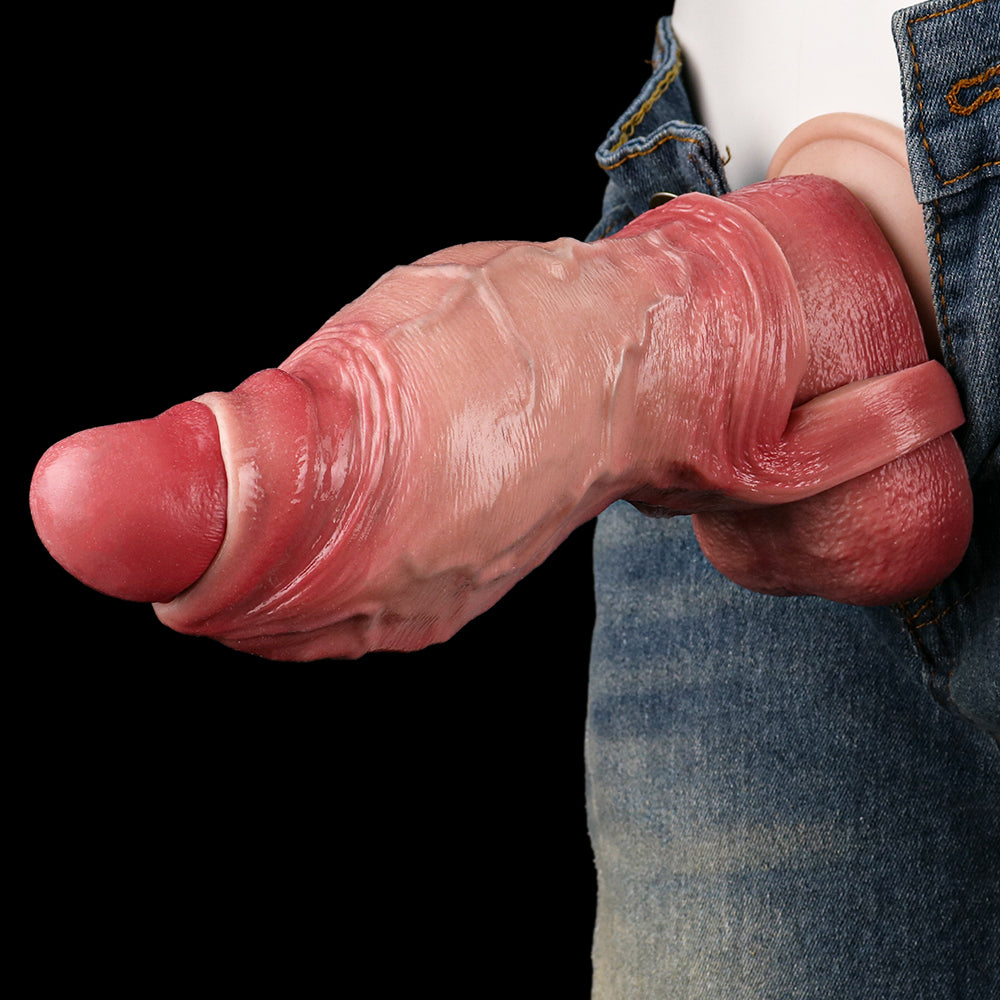
Platinum silicone · Equine, canine, feline, serpentine designs · Internal geometry beyond human anatomy · Harm-free primal fetish expression
View Collection →
Monster & Fantasy Fetish
Domlust Monster & Tentacle Collection — Shape Fetish Designs
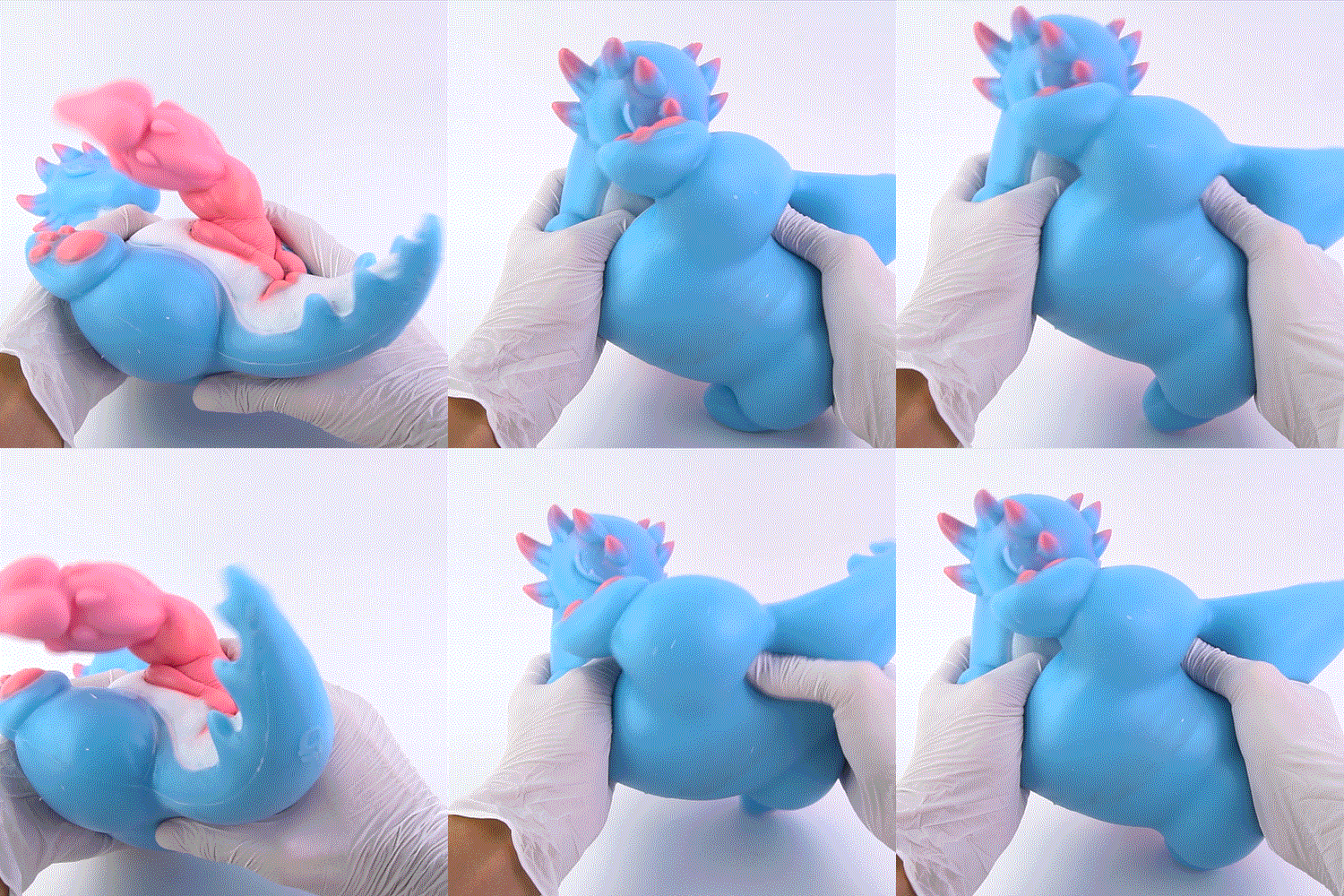
Platinum silicone · Non-human geometry · Alien, tentacle, monster forms · CNC-precision internal texture
View Collection →
Size & Heavy Fetish
Domlust Heavy Fetish Collection — Size & Intensity Designs
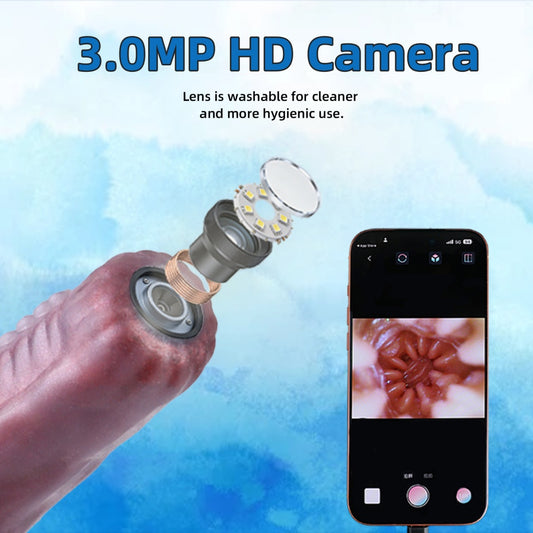
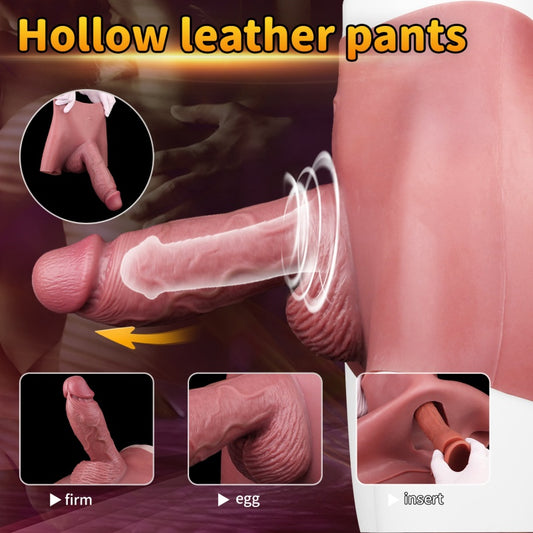
Platinum silicone · Dual-layer construction · 8" to 25" range · Endoscope, inflatable, estim, huge dildo categories
View Collection →How to Explore Fetish Safely: A Practical Framework
Step 1: Identify the Consistent Element
Pay attention to what appears repeatedly across your arousal experiences. Is it a material? A shape? A dynamic? A specific sensation? The consistent element is the fetish — not the act that surrounds it.
Step 2: Separate Fetish from Fantasy
Fantasy is what you imagine. Fetish is what you need. You can have a fantasy about something without having a fetish for it. Conversely, your fetish may not match your fantasies — many people with size fetishes, for example, are not interested in the narrative around size, only the physical sensation of it.
Step 3: Match Product to Fetish, Not to Category
Generic product categories (vibrators, dildos, anal toys) are designed for kink exploration. Fetish users need to select by the specific attribute that matters: material, size, texture, shape, or function. A silicone material fetish requires platinum silicone — not TPE marketed as "silicone-like." A size fetish requires exact dimensions — not "large."
Step 4: Communicate with Partners
Fetish requires more explicit communication than kink because the specific element is non-negotiable for satisfaction. Partners need to understand not just what you want to try, but what you consistently need. This is not a burden — it is clarity that makes better sexual experiences possible for both people.
Step 5: Use Body-Safe Materials
At fetish intensity levels — repeated use, extended sessions, specific material requirements — product quality is not optional. Porous materials (TPE, rubber) harbor bacteria and degrade with use. Platinum silicone is non-porous, sterilizable, and maintains its tactile profile over 5+ years. For fetish users who return to the same product repeatedly, this is the only acceptable material standard.
FAQ: What Is a Fetish?
What is the difference between a kink and a fetish?
Kink is a broad openness to non-conventional sexual experiences — flexible, situational, and exploratory. Fetish is a specific element (material, shape, sensation, dynamic) that is consistently central to arousal. Kink is optional; fetish is often required. Kink explores possibilities; fetish defines priorities.
Is having a fetish normal?
Yes. Research published in The Journal of Sex Research found that 45.6% of people have at least one paraphilic interest. The most common fetishes involve body parts, materials (leather, latex, silicone), and size or shape. Fetish is a normal variation in human sexuality, not a disorder.
What is a fetish vs a paraphilia?
Paraphilia is the clinical term for an atypical arousal pattern — fetish is one type of paraphilia. A paraphilia only becomes a disorder (paraphilic disorder) if it causes significant distress to the person or involves non-consenting parties. Having a fetish is not a disorder.
What are the most common fetishes?
The most commonly reported fetishes involve: body parts (feet, hands, hair), materials (leather, latex, silicone, rubber), size and shape (large, unusual, non-human forms), power dynamics (dominance, submission, service), and fantasy aesthetics (animal-inspired, alien, monster). Material and size fetishes are the most directly addressable through product selection.
What is a primal fetish?
Primal fetish centers on instinct, raw sensation, and animalistic dynamics — not aggression or lack of consent, but the experience of stripping away social performance to access a more fundamental physical state. It often involves pursuit dynamics, intensity over technique, and animal-inspired aesthetics. Primal fetish is distinct from zoophilia — it is about the sensation and dynamic of primal experience, not actual animals.
What is a silicone fetish?
A silicone fetish is a material fetish centered on the specific tactile profile of silicone — its warmth, smoothness, slight yield, and skin-like quality. Platinum-cured silicone has a distinct feel that no other material replicates. For users with a silicone material fetish, the material itself is part of the arousal architecture. TPE or rubber marketed as "silicone-like" will not satisfy a silicone fetish.
How do I know if I have a fetish or just a preference?
The test is consistency and centrality. A preference is something you enjoy more than alternatives but can do without. A fetish is something that consistently appears at the center of your arousal — without it, desire is diminished; with it, desire is sharpened. If the same specific element appears repeatedly across different partners, contexts, and experiences, it is likely a fetish rather than a preference.
Related Reading
- Shop All Heavy Fetish Toys →
- Best Heavy Fetish Toys 2026: Ranked by Material, Sensation & Intensity →
- Beast Fantasy & Zoophilia Guide — Ethical Alternatives →
- Complete Rimming Guide — Technique & Toys →
- What Does a Cock Ring Do? Complete Guide →
- Animal Pussies Fantasy Collection →
- Monster & Tentacle Dildo Collection →