
Last updated:
Standing sex positions describe intimacy where one or both adults remain upright. They are not automatically more comfortable, more intimate, or better suited to a particular body type than seated or lying-down alternatives. The useful questions are whether both partners want the experience, whether the setting provides dependable support, and whether either person feels strain or instability.
This standing sex guide focuses on communication, balance, height differences, personal comfort, and optional product considerations. It does not offer a performance target, promise a particular sensation, or treat lifting a partner as a requirement. Changing your mind or choosing another arrangement is always an option.
What to Consider Before Standing Sex
Some adults are interested in upright intimacy because it changes the setting or allows closeness without lying down. Others find it tiring or awkward. Neither preference says anything about confidence, fitness, or the quality of a relationship.
Before considering standing sex positions, discuss comfort and boundaries without assuming that a familiar position name means the same thing to both people. Decide how you will communicate a pause or stop. Consent must remain voluntary throughout; an initial agreement is not permission to ignore later hesitation or discomfort.
- Preference: Is this something both people want, rather than a test of athleticism?
- Comfort: Are there existing concerns about balance, joint pain, fatigue, or mobility?
- Setting: Is there private space with a clear floor and dependable footing?
- Support: Are you relying on an object whose intended use and stability are actually known?
- Alternatives: Can you comfortably change to sitting, lying down, or stopping altogether?
Support and Balance: Compare the Setting, Not the Name
Descriptions such as “wall-supported” or “furniture-assisted” are not safety certifications. A wall does not remove fatigue, and a chair, counter, or dresser should not be assumed to support body weight simply because it looks solid. This article cannot assess the load capacity or stability of furniture in your home.
| Description | What to consider | What not to assume |
|---|---|---|
| Both partners upright | Balance, fatigue, and the ability to stop comfortably | Standing is easy or preferable for everyone |
| Wall-supported setting | Footing, available space, and unwanted pressure | Wall contact prevents a fall |
| Furniture-assisted setting | Manufacturer information, stability, and intended load | Any household furniture is appropriate |
| Raised-leg or bent-posture descriptions | Individual mobility limits and joint comfort | One height or range of movement suits all bodies |
| Lifted or carried descriptions | Avoid relying on a partner as your only support | A wall makes lifting easy or necessary |
A slipping surface, unstable object, or feeling of lost balance is a reason to stop, not a challenge to overcome. Do not use neck or throat pressure as support. Keep the focus on mutual comfort rather than copying a dramatic image.
Height Differences and Individual Comfort
A height difference alone does not establish whether standing sex is suitable. Balance, mobility, fatigue, the setting, and personal preferences also matter. There is no universal height-gap formula or single piece of furniture that solves every mismatch.
Avoid stretching beyond a comfortable range or assuming that tiptoeing, lifting, or improvised platforms are necessary. If an upright arrangement feels awkward, choose a seated or lying-down alternative rather than treating the original plan as something you must complete.
Persistent pain or a concern about your physical capacity warrants an individual discussion with a qualified healthcare professional. A general article is not medical clearance for a particular activity.
Common Misconceptions About Standing Sex Positions
“Standing is better by default.”
No position category guarantees greater comfort, closeness, or satisfaction. Preferences differ, and standing should remain an option rather than a goal.
“Support makes every variation beginner-friendly.”
A familiar wall or piece of furniture does not establish suitability. Avoid labels that make demanding arrangements sound effortless or universally accessible.
“Height differences can always be fixed with furniture.”
Furniture is not a universal solution, especially when its load capacity or stability is unknown. Changing the plan is a valid choice.
“You need to lift your partner.”
Carrying is not required for standing intimacy. Do not equate strength, lifting, or an impressive-looking arrangement with a better experience.
“A toy guarantees improved performance.”
No accessory guarantees stamina, firmness, compatibility, or suitability for both people. Products are optional and should be evaluated by their own specifications and instructions.
Communication Matters More Than Performance
Check in about comfort, balance, and whether both people still want to continue. Either person should be able to pause or stop without pressure, embarrassment, or an explanation beyond their preference.
Stop when there is pain, numbness, dizziness, lost balance, or uncomfortable strain. Do not interpret these as something to push through. Seek appropriate medical advice for persistent or concerning symptoms.
Privacy and consent also apply to the setting. Choose a private space where other people will not be involuntarily exposed. Images or videos do not provide a reliable benchmark for what should feel comfortable in real life.
Optional Products: Check Fit and Instructions
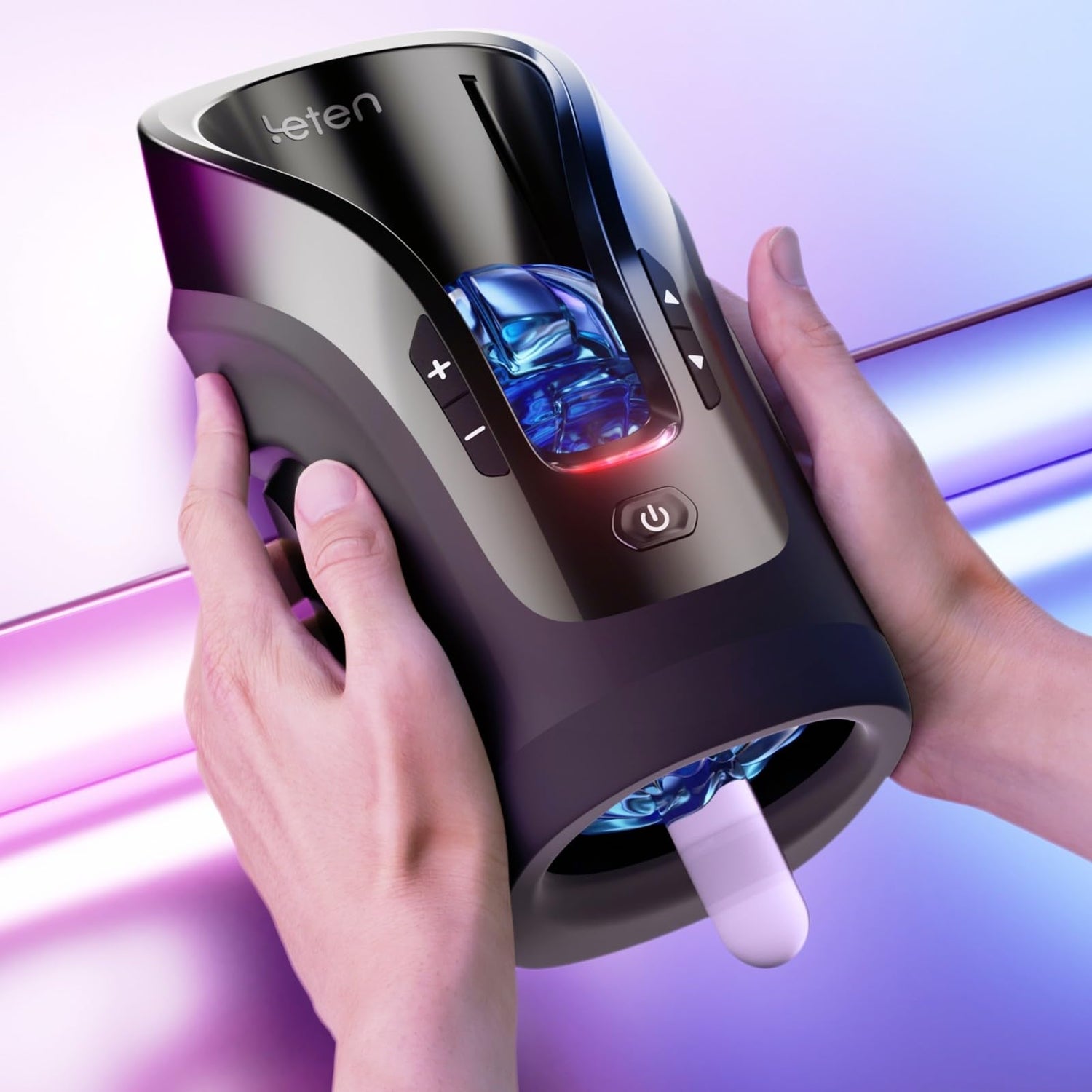
Accessories are not necessary for standing sex. If both adults want to consider one, compare the complete model's dimensions, contact materials, intended use, removal method, cleaning instructions, and lubricant compatibility.
Our cock sleeve collection provides individual models to compare, but it should not be treated as a solution to balance, fatigue, pain, or a medical condition. No model is described here as universally compatible with standing sex positions, and no improvement in stamina or firmness is promised.
Do not let a purchase replace a discussion about comfort. Follow the selected product's instructions, and do not continue using a product that causes discomfort.
Related Reading
For broader context, these existing guides cover different arrangements and comparison topics. They are supplementary reading, not evidence that any activity is suitable for you.
- Best Sex Positions: broader comparison guide
- Captain position guide: a different supported arrangement
Frequently Asked Questions
What are standing sex positions?
Standing sex positions describe intimacy where one or both adults remain upright. The term covers different arrangements and does not guarantee comfort, balance, or suitability. Mutual consent, individual mobility, and the setting matter more than a position name.
Does a height difference make standing sex impossible?
Height alone does not determine suitability. Balance, mobility, fatigue, and personal preference also matter. There is no universal height-gap solution; choose another arrangement rather than forcing an uncomfortable one.
Is wall or furniture support automatically reliable?
No. A wall does not remove balance demands, and household furniture should not be assumed to support body weight. Check intended use and stability rather than relying on appearances or an online position label.
Do you need to lift a partner or use a toy?
No. Neither lifting nor an accessory is required. Avoid treating carrying as a performance goal. If you consider a product, agree on its use and follow its model-specific fit, removal, and care instructions.
When should you stop?
Stop whenever either person wants to, or when there is pain, numbness, dizziness, lost balance, or uncomfortable strain. Do not push through symptoms. Seek appropriate medical advice for persistent or concerning symptoms.
Final Thoughts
Standing sex is an optional choice, not a measure of confidence or relationship quality. Prioritize consent, dependable footing, individual comfort, and the freedom to change plans. A comfortable alternative is more useful than pursuing an arrangement simply because it appears in a guide.