
Last updated: October 8, 2026
What is a homemade fleshlight? A homemade fleshlight is a DIY male masturbator made from household materials — typically a rigid outer sleeve (bottle, tube, or container) combined with a soft inner lining (latex glove, balloon, sponge, or towel) and lubricant. The goal is to approximate the texture and pressure of a commercial masturbator like a Fleshlight. Results vary significantly based on materials and construction method. Household materials are not necessarily suitable for intimate contact.
This DIY fleshlight guide compares five commonly discussed household constructions, their limitations and material concerns, and when to consider a purpose-designed alternative. None of these methods should be treated as a verified safe option.
Table of Contents
- How to Make a Fleshlight: 5 DIY Methods & Their Limitations
- The Most Realistic Homemade Fleshlight
- Materials Safety Guide
- DIY Fleshlight vs Professional Masturbator: Honest Comparison
- Fleshlight vs Domlust: Realism vs Fantasy — Two Different Philosophies
- When to Upgrade from DIY
- FAQ
How to Make a Fleshlight: 5 DIY Methods & Their Limitations
Before considering DIY: the following descriptions are not a safety certification. Sharp edges, narrow openings, latex sensitivity, torn linings, and excessive pressure are concerns. A glove or bag barrier can fail and does not make an unsuitable material safe. Never place rubber bands or other constricting fasteners around the body. Stop if there is pain, irritation, or numbness.
Method 1: The Latex Glove + Bottle (Classic)
A commonly discussed homemade fleshlight method using a container and a glove lining.
Materials: Plastic bottle (wide-mouth), latex glove, rubber bands, lubricant.
- The bottle acts as outer support. Avoid cutting a bottle for extra length: exposed edges can injure even through a lining. Do not use an opening that grips the body.
- The glove is inserted as a lining, with the cuff folded over the container opening.
- External fasteners hold the cuff at the container, not around the body.
- Lubricant compatibility must be checked for the contact material.
- Do not squeeze the container to force greater tightness or pressure.
Result: Minimal texture and variable support. Latex sensitivity and tearing remain concerns; a glove is not equivalent to a purpose-designed sleeve.
Method 2: The Towel Roll
No rigid container needed. A softer outer-support format.
Materials: Hand towel, latex glove or plastic bag, external fasteners, lubricant.
- A towel is laid flat with a separate lining in the center.
- The towel is rolled around the lining, leaving the opening accessible. Tight rolling can create constriction.
- External fasteners hold the roll together; they must not grip the body.
- Any lubricant needs to be compatible with the lining.
Result: Soft support with little structure. The lining may move or tear; softness alone does not make it suitable for beginners.
Method 3: The Sponge Sandwich
A layered-support format using sponges outside a separate lining.
Materials: Kitchen sponges, bag or glove lining, outer container, lubricant.
- Sponges sit on either side of the outer container.
- A separate lining sits between them, with its opening at the rim.
- The sponges create lateral pressure, which can vary unpredictably.
- A lining and lubricant do not eliminate concerns about residues, abrasive surfaces, tearing, or the container rim.
Result: Variable pressure. Sponges are porous and may contain cleaning additives or abrasive surfaces. Single-use disposal does not establish that the construction is suitable for intimate contact.
Method 4: The Balloon Method
A thin-latex, pressure-focused format.
Materials: Large balloon, rigid tube or bottle, tape or external fasteners, lubricant.
- In versions discussed online, the balloon sits inside an outer tube.
- Its opening folds over the rim and is secured externally.
- Inflation can create unpredictable pressure and a narrow channel.
- Do not increase inflation or constriction to intensify the experience.
Result: Fragile material and unpredictable fit. Balloons are not designed for intimate use; latex sensitivity and tearing are concerns. Single use is not a safety guarantee.
Method 5: The Sock + Glove Combo
A flexible outer-support option without a rigid container.
Materials: Long sock, latex glove, external fastener, lubricant.
- The glove sits inside the sock, with its cuff folded over the opening.
- An external fastener holds the cuff, not the body.
- Rolling the sock changes the support and may create unwanted pressure.
- Any lubricant needs to be compatible with the lining.
Result: Soft, flexible, and minimally structured. Fabric can retain moisture and the lining can shift or tear; portability does not resolve these concerns.

The Most Realistic Homemade Fleshlight
There is no verified most realistic homemade fleshlight. Sensation depends on lining, support, fit, and personal preference. More pressure or a more complicated construction is not automatically better.
- Material suitability comes first: food-grade silicone baking molds are not automatically suitable for repeated intimate contact.
- Temperature needs care: improvised heating is not a reliable way to establish a suitable contact temperature.
- Lubricant compatibility matters: do not assume one formulation is appropriate for every lining.
- Extra layers are not a guarantee: multiple gloves can still shift, tear, or introduce seams.
Honest assessment: household construction does not reliably reproduce a dedicated sleeve's channel design or consistency. The difference is not just construction effort, and realism remains subjective.

Materials Safety Guide
A central concern with homemade fleshlights is material suitability. Most household materials are not designed for intimate use. This table highlights concerns rather than assigning a safety ranking.
| Material | Main concern | Notes |
|---|---|---|
| Latex gloves | Allergy and tearing | Latex sensitivity and additives may matter. A glove is not a purpose-designed sleeve and should not be treated as washable for repeated use. |
| Balloons | Fragility and pressure | Thin walls can break. Latex sensitivity and constriction are concerns; disposable does not mean suitable. |
| Kitchen sponges | Porosity and residues | May retain moisture or contain cleaning additives and abrasive surfaces. A barrier can fail. |
| Plastic bags | Seams and tearing | A non-porous surface alone does not establish intimate-use suitability. |
| Socks/towels | Friction and moisture retention | Fabric may irritate and retain debris. A separate lining is not guaranteed protection. |
| Silicone molds (food-grade) | Different intended use | Food-contact labeling does not establish intimate-use suitability; a baking mold is not a validated toy sleeve. |
Key rules: Avoid sharp edges, abrasive seams, unknown composition, or materials that cause irritation. Do not assume a barrier or washing makes unsuitable materials safe. A purpose-designed product with clear material and care information is easier to evaluate.
DIY Fleshlight vs Professional Masturbator: Honest Comparison
| Factor | Homemade Fleshlight | Professional Masturbator |
|---|---|---|
| Cost | Often uses materials on hand; replacement adds costs | Varies by model and features |
| Internal texture | Minimal and inconsistent | Model-specific channel and texture designs |
| Material safety | Uncertain suitability for intimate contact | Check the chosen product's specifications and intended use |
| Durability | Linings may shift or tear; reuse may be inappropriate | Depends on construction, handling, and care |
| Hygiene | Porous supports and fragile linings complicate care | Follow model-specific care; not all products are non-porous or submersible |
| Realism | Subjective and inconsistent | Depends on design and personal preference |
| Customization | Variable construction with pressure and fit concerns | Choose from listed sizes, textures, and adjustments |
| Setup time | Assembly and checks required | Preparation and cleaning may still be needed |
DIY appeals through cost and immediate availability. A dedicated product offers a defined design and, where provided, clearer specifications and care instructions. Decide whether a particular model meets your preferences and budget rather than assuming all commercial toys have identical safety or realism.
Fleshlight vs Domlust: Realism vs Fantasy — Two Different Philosophies
Fleshlight (the brand) and Domlust represent different answers to the same question: what should a masturbator feel like? Compare individual products rather than treating either brand as a uniform performance standard.
What Fleshlight Does: The Realism Standard
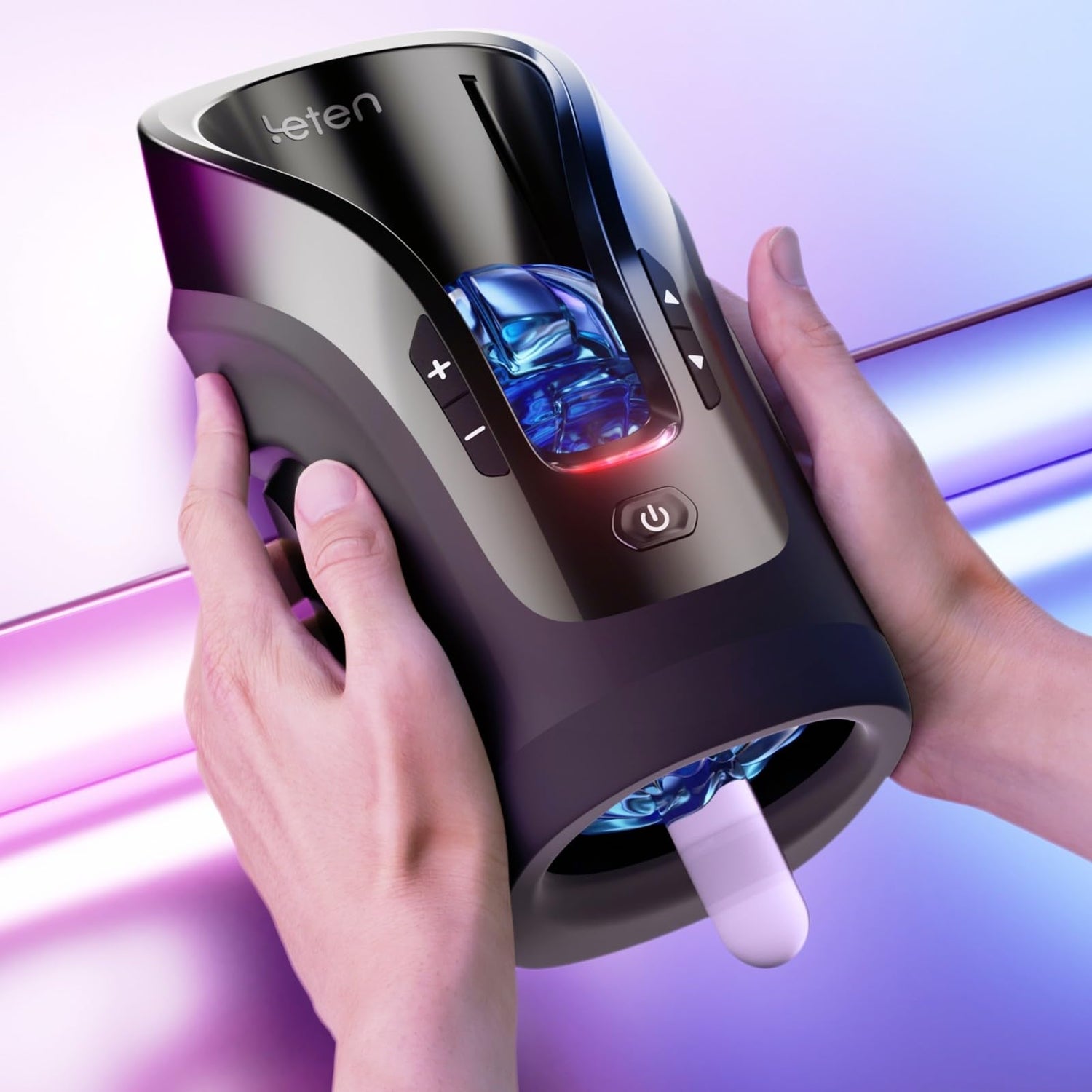
Fleshlight is associated with realistic styling and its proprietary SuperSkin material. Openings and internal textures vary by model; a realistic exterior does not mean every channel reproduces human anatomy.
This is the same instinct that drives some homemade fleshlight searches — the desire for something that feels real. A dedicated sleeve offers a defined design, while the sensation remains a matter of preference.
What Domlust Does: The Fantasy Standard
Domlust starts from a different premise: why replicate reality when you can explore fantasy?
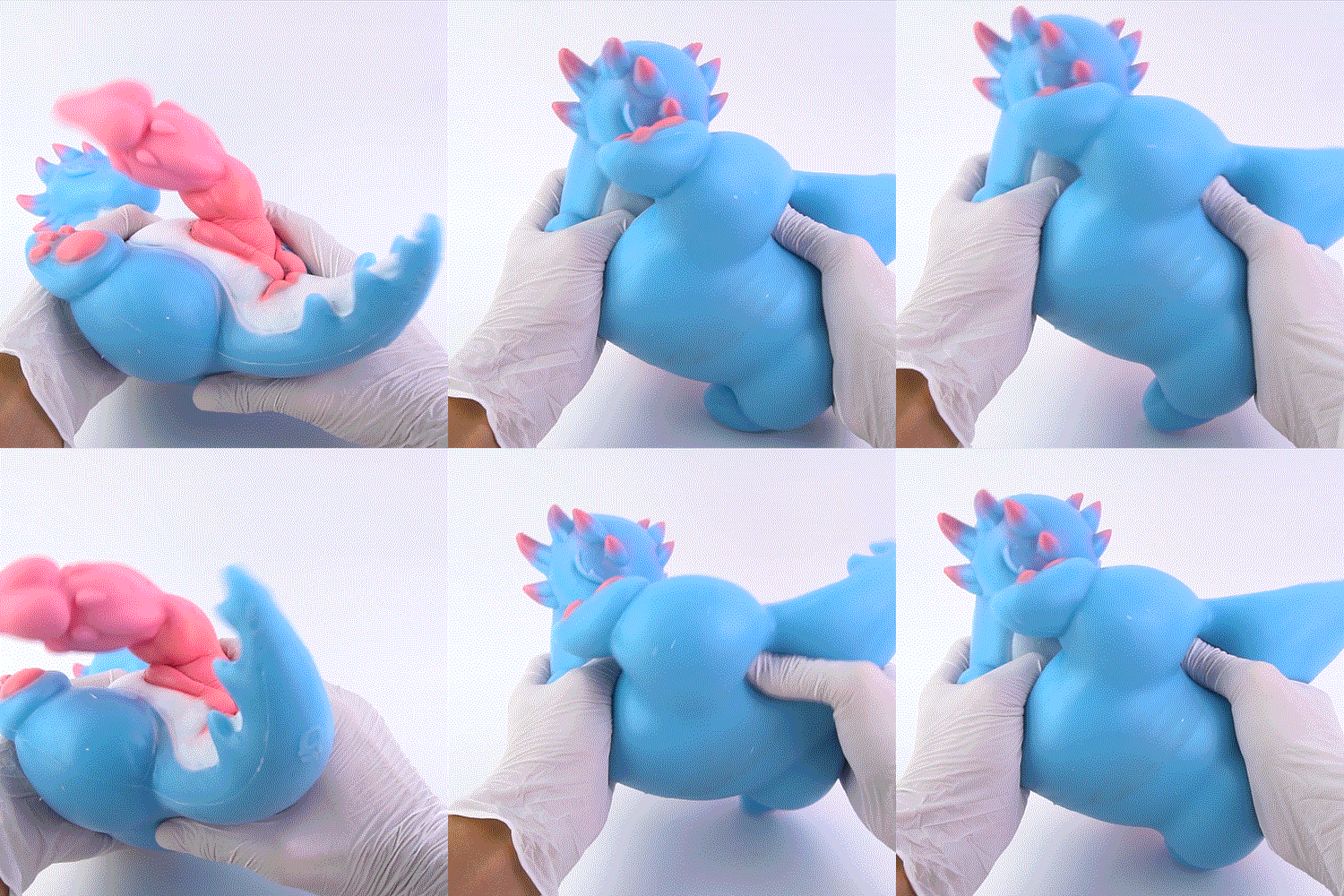
Animal-inspired forms, alien textures, and imaginative channels offer alternatives to familiar anatomy. Check each model's material and channel description rather than assuming a fantasy exterior guarantees superior texture detail or pressure.
The result isn't necessarily a better simulation of reality — it's a different design direction.
The Shared Foundation: Material Quality
For either brand, the useful comparison is the selected model's material specification, internal structure, and care requirements. A household lining is not equivalent to a dedicated sleeve, but a brand or material name alone does not guarantee risk-free use.
| Fleshlight (Brand) | Domlust | Homemade DIY | |
|---|---|---|---|
| Design philosophy | Realistic styling | Fantasy-inspired styling | Approximate a sleeve with household materials |
| Material | Check the chosen sleeve's specifications | Check each listing's silicone or other material details | Often latex, sponge, fabric, or bags |
| Internal texture | Model-specific | Model-specific fantasy channels | Minimal and variable |
| Hygiene | Follow sleeve-specific cleaning and drying guidance | Follow model-specific care; do not assume boiling is allowed | Uncertain suitability and fragile or moisture-retaining components |
| Experience type | Realistic immersion | Fantasy exploration | Improvised stimulation |
| Who it's for | Adults interested in realism | Adults interested in fantasy | People researching household alternatives and their limitations |
If you've been researching homemade fleshlights and want to upgrade, the question isn't just "which brand" — it's "which philosophy." Realistic and fantasy designs are different preferences. Compare fit, texture, material information, and care alongside the visual theme.
Why Mold Precision Matters for the Domlust Difference
Purpose-designed molds can produce repeatable channel shapes and textures that are difficult to recreate with household materials. Specific claims about CNC-machined steel molds or casting methods should be supported by the chosen product's manufacturing information.
For fantasy geometries — spiral channels, ridges, or imaginative chambers — consistent construction matters to the design. It does not establish that every unit is seamless or that one brand's material always holds more detail than another.
The upgrade from DIY to a dedicated product is about accessing a defined design with clearer specifications, not a guaranteed sensation or universal material advantage.
For a deeper look at material comparisons: Superskin vs Platinum Silicone — A Material Comparison →
When DIY Isn't Enough: Upgrade with Domlust
If you want clearer dimensions, a defined internal design, and model-specific care instructions, compare dedicated strokers. Choose a format that fits your preferences rather than expecting a guaranteed improvement in realism.
👉 Domlust Pocket Pussy Collection →
👉 Masturbation Sleeves → — Compare dimensions, materials, texture, and care before choosing.
FAQ: Homemade Fleshlight
How do you make a homemade fleshlight?
Commonly discussed DIY formats combine an outer support with a separate lining: glove and container, towel roll, sponge sandwich, balloon and tube, or sock and glove. See the five methods above for their construction and limitations. These descriptions are not a safety guarantee; household materials may be unsuitable for intimate contact.
What household items can I use as a fleshlight?
Online DIY descriptions often mention gloves, balloons, sponges, towels, socks, bags, and containers. Being available at home does not establish suitability: consider latex sensitivity, tearing, abrasive seams, moisture retention, and exposed edges. A food-grade silicone mold is not automatically suitable for intimate use.
What is the most realistic homemade fleshlight?
There is no verified most realistic DIY method. Sensation depends on construction and personal preference, and household materials do not reliably reproduce a dedicated sleeve's channel design. More pressure, improvised heating, or extra layers are not a guarantee of realism or safety.
Is a homemade fleshlight safe?
No household method can be assumed safe. Material composition, allergies, tearing, edges, and excessive pressure are concerns. Avoid unknown or unsuitable materials and stop if there is pain, irritation, or numbness. A purpose-designed product with clear material and care information is easier to evaluate, but is not risk-free.
How do you clean a homemade fleshlight?
Do not assume household linings or porous supports can be cleaned adequately for intimate reuse. Gloves, bags, and balloons are not washable toy sleeves, while fabric and sponges can retain moisture and debris. Discard compromised materials; washing or single-use disposal does not establish that the setup was suitable in the first place.
What's better than a homemade fleshlight?
A purpose-designed masturbator may be a more practical choice when you want specified dimensions, a defined channel, and clear material and care instructions. Compare the individual model's fit, texture, cleaning requirements, and price rather than assuming all commercial products have the same safety, realism, or durability.