If you’ve ever reached into your nightstand drawer only to pull out an intimacy toy that feels like it’s been coated in wet glue, you aren’t alone. It’s a massive, incredibly annoying issue that fills Reddit communities daily. You wash it, dry it, and within hours, it transforms into a literal magnet for static electricity, pet fur, and clothing lint.
But why does this happen, and more importantly, how do you fix it without ruining the material?
As material engineering nerds who spend our lives analyzing liquid silicone rubber (LSR) and polymer stability, we’re tearing down the chemistry of "the stickiness problem"—and giving you the actionable, no-BS guide to saving your gear.
🧪 The Science of the Stickiness: TPE Degradation vs. Silicone Static
Before you grab the soap, you need to look at the receipt. Is your toy made of TPE/TPR (Thermoplastic Elastomer) or 100% Platinum-Cured Silicone? They are entirely different materials, and they get sticky for completely different reasons.
1. The TPE Warning: Your Toy Is Chemically Melting
If you bought a heavy, hyper-realistic torso or a cheap pocket pussy from a mass-market brand, it is almost certainly made of TPE.
Here is the hard truth: TPE is porous on a microscopic level. It acts like a dense chemical sponge. Over time, the volatile oils (plasticizers) baked into the material to make it soft begin to destabilize and "leech" out to the surface. When TPE gets sticky, it isn’t dirty—it is chemically degrading and melting. Furthermore, because it’s porous, it traps body fluids and bacteria inside those microscopic pores, rendering it nearly impossible to truly sterilize after it starts to break down.
2. The Silicone Reality: It’s a Giant Static Magnet
If your toy is made of high-grade silicone and feels sticky or instantly grabs hair, congratulations: you have a real, high-purity material.
Pure, high-density silicone is completely non-porous and chemically inert. It won't degrade or melt. However, it possesses incredibly high insulative properties, meaning it generates an intense static electric field when friction occurs (like washing, rubbing, or storing it in a fabric drawer). It’s not "melting"; it’s just electrostatically pulling every microscopic piece of dust out of the air.
🧽 The Definitive 4-Step Routine to Fix and Prevent Sticky Gear
If you want to rescue your premium silicone gear and keep it smooth, stop wiping it with regular bath towels or using heavy chemical sprays. Follow this exact factory-floor protocol:
Step 1: The Oil-Free Deep Clean
Wash the toy thoroughly using basic, oil-free dish soap (like Dawn) or a dedicated, residue-free foam toy cleaner. Avoid moisturizing hand soaps, as they contain lipids and hydration oils that leave a permanent, gummy film on the silicone surface.
Step 2: Ban the Paper Towels (The Air-Dry Rule)
Never, under any circumstances, dry your silicone toys with a standard bath towel or paper towel. Doing so transfers thousands of invisible micro-fibers straight onto the sticky static field. Either let it air-dry completely on a clean, hard ceramic surface, or use a strictly lint-free microfiber cloth.
Step 3: The Cornstarch Miracle (Breaking the Static Field)
Once the toy is 100% dry, grab regular, grocery-store food-grade cornstarch. Dust a super-light, translucent coating over the entire surface, and rub it in until it feels completely silky smooth. Shake off the excess.
Why this works: The microscopic cornstarch particles neutralize the static charge on the silicone exterior without clogging pores (since pure silicone has none). It creates an invisible, silky barrier so pet hair and dust cannot stick to it while sitting in your drawer. Best of all? It washes off instantly with water the next time you want to play.
🚫 What NEVER to Use on Premium Intimacy Hardware
When desperation sets in, people try wild hacks they read online. Avoid these three common pitfalls at all costs:
-
Baby Powder/Talcum: Most commercial baby powders contain added fragrances, moisture barriers, or mineral oils that will react with the polymer and make the stickiness permanently worse. Stick strictly to pure cornstarch.
-
Bleach or Boiling TPE: If your toy is TPE and melting, boiling it or bleaching it will accelerate the chemical breakdown, releasing toxic plasticizer fumes.
-
Harsh Solvents: Alcohol or acetone will permanently strip the surface finish of high-grade silicone, leaving it permanently gummy.
🔒 The Permanent Fix: Shifting to Zero-Filler Platinum Silicone
If you are utterly exhausted from babying unstable materials, washing off chemical grease, and throwing away degraded toys after three months, it's time to change your hardware strategy.
The ultimate solution to performance anxiety and maintenance fatigue is investing in 100% Platinum-Cured Liquid Silicone Rubber (LSR).
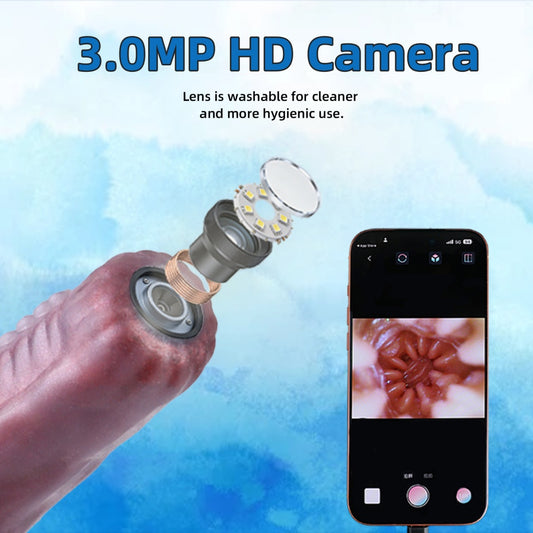
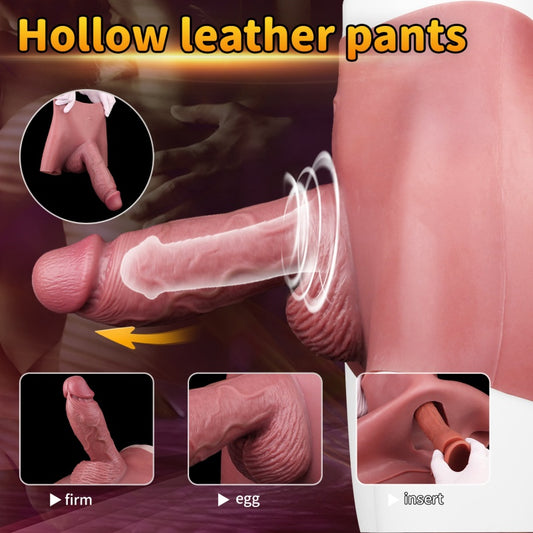
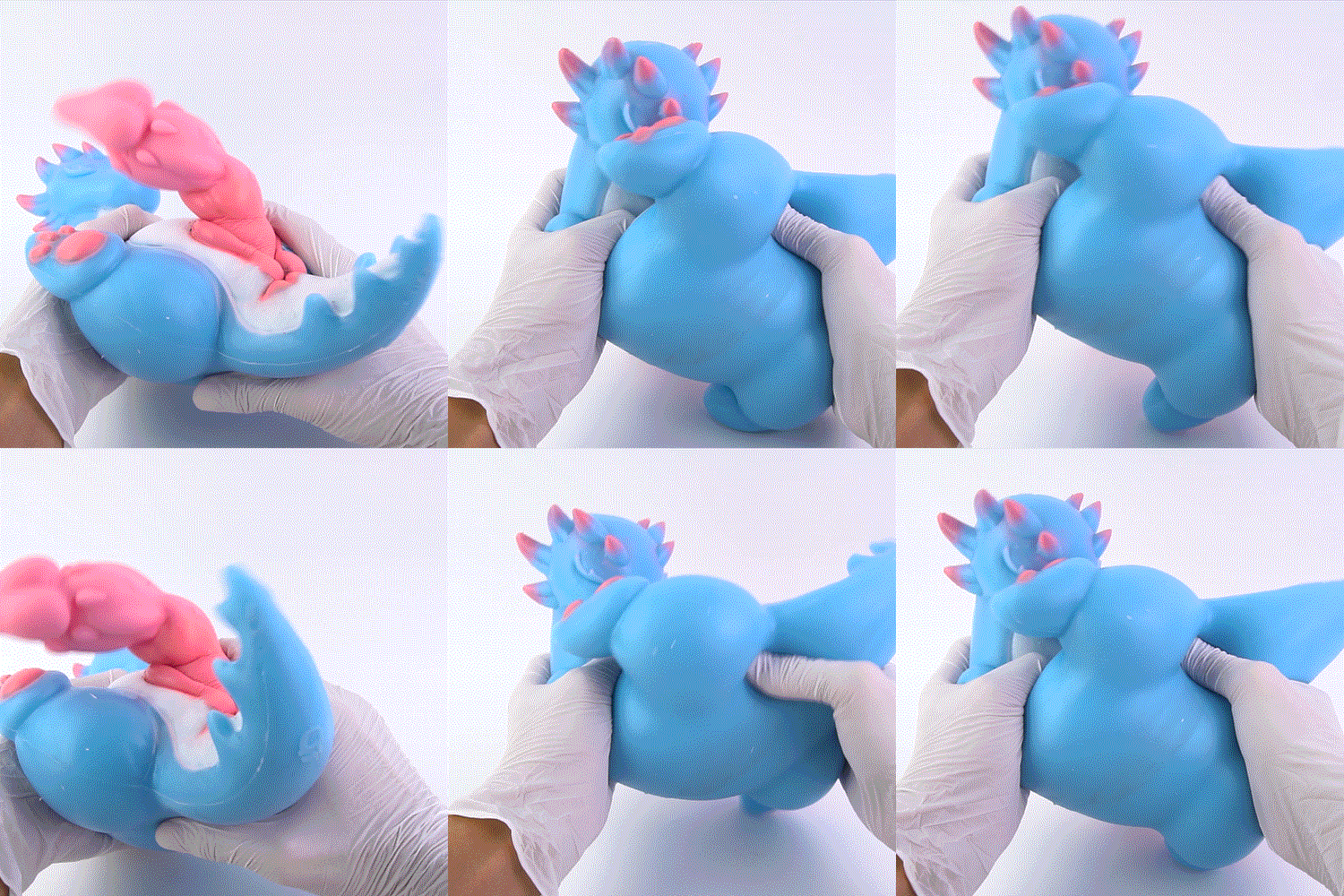
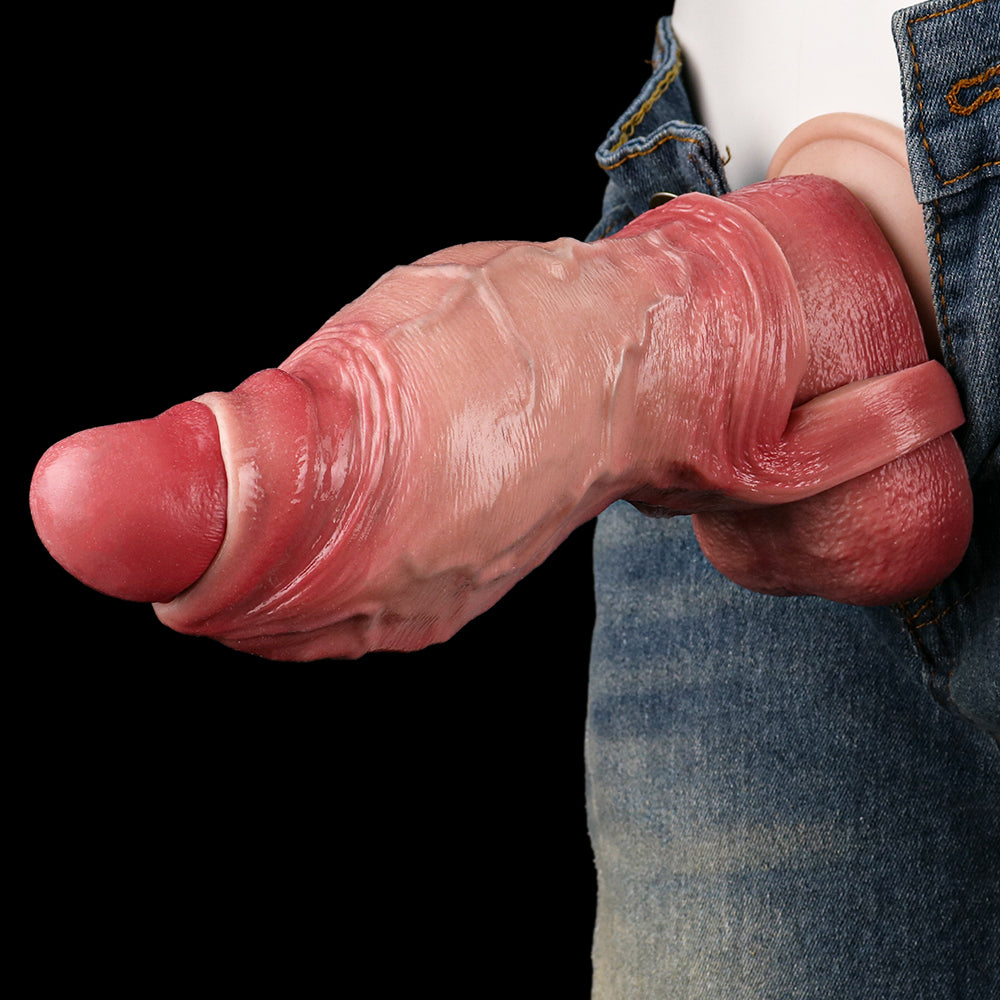
At Domlust, we refuse to use cheap chemical fillers, TPE compounds, or unstable plasticizers. Because our anatomical gear and wearable cocksleeve pants are engineered with heavy, solid, zero-filler platinum silicone, they possess total structural integrity.
-
They hold their own rigid, stable column shape independently—meaning they don't rely on your body's physiological response to stay erect.
-
They are 100% non-porous and non-degradable. You can literally throw them into a pot of boiling water to fully sanitize them.
-
They don't leach toxic chemical oils over time, keeping your skin safe and your nightstand clean.
Intimacy should be about connection and pleasure, not stress over chemical degradation. Stop fighting with unstable plastics. Upgrade your collection to premium, medical-grade engineering that lasts a decade.
👉 Explore the Domlust Premium Platinum Silicone Collection Today.