
Eine detaillierte Insider-Analyse von Materialien, Herstellung und warum „realistisch“ nicht so einfach ist, wie es klingt.
Die unangenehme Wahrheit: Die meisten „realistischen“ Spielzeuge sind nicht auf Langlebigkeit ausgelegt
Wenn Sie sich schon einmal mit Sexspielzeug für Männer beschäftigt haben, ist Ihnen wahrscheinlich etwas Merkwürdiges aufgefallen.
Alles wird als „ultra-realistisch“ bezeichnet.
Alles behauptet „hautähnliche Weichheit.“
Und doch… variiert das Erlebnis irgendwie stark.
Das ist keine Marketing-Übertreibung – es ist ein Materialproblem.
Hinter den Kulissen wird die Sexspielzeugindustrie immer noch überwiegend von TPE (thermoplastisches Elastomer) dominiert. Und das hat einen Grund:
Es ist billig, flexibel und leicht massenhaft herzustellen.
Aber diese Bequemlichkeit bringt Kompromisse mit sich, über die die meisten Marken nicht offen sprechen.
TPE vs. Platinsilikon: Hauptunterschiede
| Merkmal | TPE | Platinsilikon |
|---|---|---|
| Materialtyp | Thermoplastisches Elastomer | Duroplastisches Elastomer |
| Porosität | Porös | Nicht porös |
| Haltbarkeit | Mittel | Hoch |
| Pflege | Erfordert sorgfältige Reinigung | Leicht zu reinigen |
| Texturstabilität | Degradiert mit der Zeit | Langanhaltende Konsistenz |
| Kosten | Niedrig | Hoch |
| Herstellungskomplexität | Niedrig | Sehr hoch |
TPE: Der beliebteste Kompromiss der Branche
TPE ist nicht per se schlecht – tatsächlich ist es unglaublich nützlich. Aber es wird oft weit über das hinaus verwendet, wofür es ideal ist.
Warum Hersteller TPE lieben
- Geringe Rohmaterialkosten
- Schnelle Produktionszyklen
- Einfaches Formen und Entformen
- Hohe Elastizität (ideal für übertriebenen „Griff“)
Aus Fabriksicht ist TPE effizient. Es ermöglicht Marken:
- Schnelle Markteinführung
- Produktion in großem Maßstab
- Wettbewerbsfähige Preise zu halten
Wo TPE Schwächen zeigt
Hier ist der Teil, der selten in Produktbeschreibungen auftaucht:
- Porosität: TPE ist von Natur aus porös, was bedeutet, dass es im Laufe der Zeit Bakterien einschließen kann
- Ölaustritt: Minderwertige Formulierungen können Öle freisetzen, was zu einer klebrigen Oberfläche führt
- Strukturelle Ermüdung: Wiederholter Gebrauch kann innere Texturen beschädigen
- Inkonsistente Chargen: Kleine Formulierungsänderungen können das Gefühl drastisch beeinflussen
Kurz gesagt, TPE ist auf Kosten und Flexibilität optimiert, nicht auf langfristige Materialstabilität.
Platinsilikon: Eine völlig andere Philosophie
Nun sprechen wir darüber, was die meisten Premium-Marken anstreben zu verwenden: platinvernetztes Silikon.
Das ist nicht nur ein Upgrade – es ist eine völlig andere Denkweise bei der Herstellung.
Was Platinsilikon anders macht
- Nicht porös und körpersicher
- Chemisch stabil (kein Ölaustritt)
- Hohe Reißfestigkeit
- Behält die Struktur über die Zeit bei
Aber der eigentliche Unterschied liegt nicht nur im Material – er liegt im Prozess.
Warum Platinsilikon so schwierig zu skalieren ist
Hier wird es interessant – und hier geben viele Marken still und heimlich auf.
1. Die Rohmaterialkosten sind nur der Anfang
Platinsilikon kann auf der Grundebene 3-6x mehr als TPE kosten.
Aber das ist nicht das eigentliche Nadelöhr.
2. Der Aushärtungsprozess erfordert Präzision
Im Gegensatz zu TPE (das geschmolzen und eingespritzt wird) durchläuft Platinsilikon eine chemische Aushärtungsreaktion.
Das bedeutet:
- Die Temperatur muss streng kontrolliert werden
- Mischungsverhältnisse müssen exakt sein
- Kontaminationen können ganze Chargen ruinieren
Dies ist eher mit der Elektronikfertigung vergleichbar als mit der traditionellen Spielzeugherstellung.
3. Die Formkonstruktion wird exponentiell schwieriger
Silikon verhält sich in Formen anders:
- Es fließt nicht so leicht wie TPE
- Luftblasen sind schwerer zu eliminieren
- Feine interne Texturen erfordern fortschrittliche Entlüftungssysteme
Wenn Ihr Formdesign nicht perfekt ist, verlieren Sie nicht nur Details – Sie verlieren das gesamte Produkt.
4. Die Ausschussquoten sind niedriger
Bei TPE können geringfügige Defekte oft toleriert oder nachbearbeitet werden.
Bei Platinsilikon:
- Eine fehlerhafte Aushärtung = totaler Ausschuss
- Ein Oberflächenfehler = unbrauchbares Produkt
Das bedeutet:
Höhere Ausschussquoten, höhere Kosten und strengere Qualitätskontrollstandards.
Das eigentliche Nadelöhr: Lieferkettendisziplin
Das ist der Teil, den die meisten Verbraucher nie sehen.
Die Skalierung von Platinsilikon erfordert nicht nur bessere Materialien – sie erfordert:
- Stabile Lieferantenbeziehungen
- Konsistente Chargenformulierungen
- Saubere Produktionsumgebungen
- Qualifizierte Techniker (nicht nur Montagearbeiter)
In vielerlei Hinsicht ähnelt es eher präzisen Fertigungsindustrien als typischen Konsumgütern.
Wie wir das bei Domlust angegangen sind
Als wir anfingen, Domlust Silikonprodukte zu entwickeln, trafen wir eine bewusste Entscheidung:
Wir würden die Materialwahl nicht als Marketing-Checkbox behandeln – sondern als Grundlage des gesamten Erlebnisses.
Das bedeutete, Einschränkungen zu akzeptieren, die die meisten Marken vermeiden.
Unsere internen Standards
- Strenge Kontrolle der Konsistenz der Silikonformulierung
- Mehrstufige Aushärtungsvalidierung
- Textur-Dauerhaftigkeitsprüfung (nicht nur anfängliche Weichheit)
- Ablehnung minderwertiger Chargen – auch auf Kosten
Warum das für den Benutzer wichtig ist
Denn „realistisch“ bedeutet nicht nur, wie sich etwas aus der Verpackung anfühlt.
Es geht um:
- Wie es seine Struktur über die Zeit behält
- Wie es unter Druck reagiert
- Wie konsistent das Erlebnis von Sitzung zu Sitzung ist
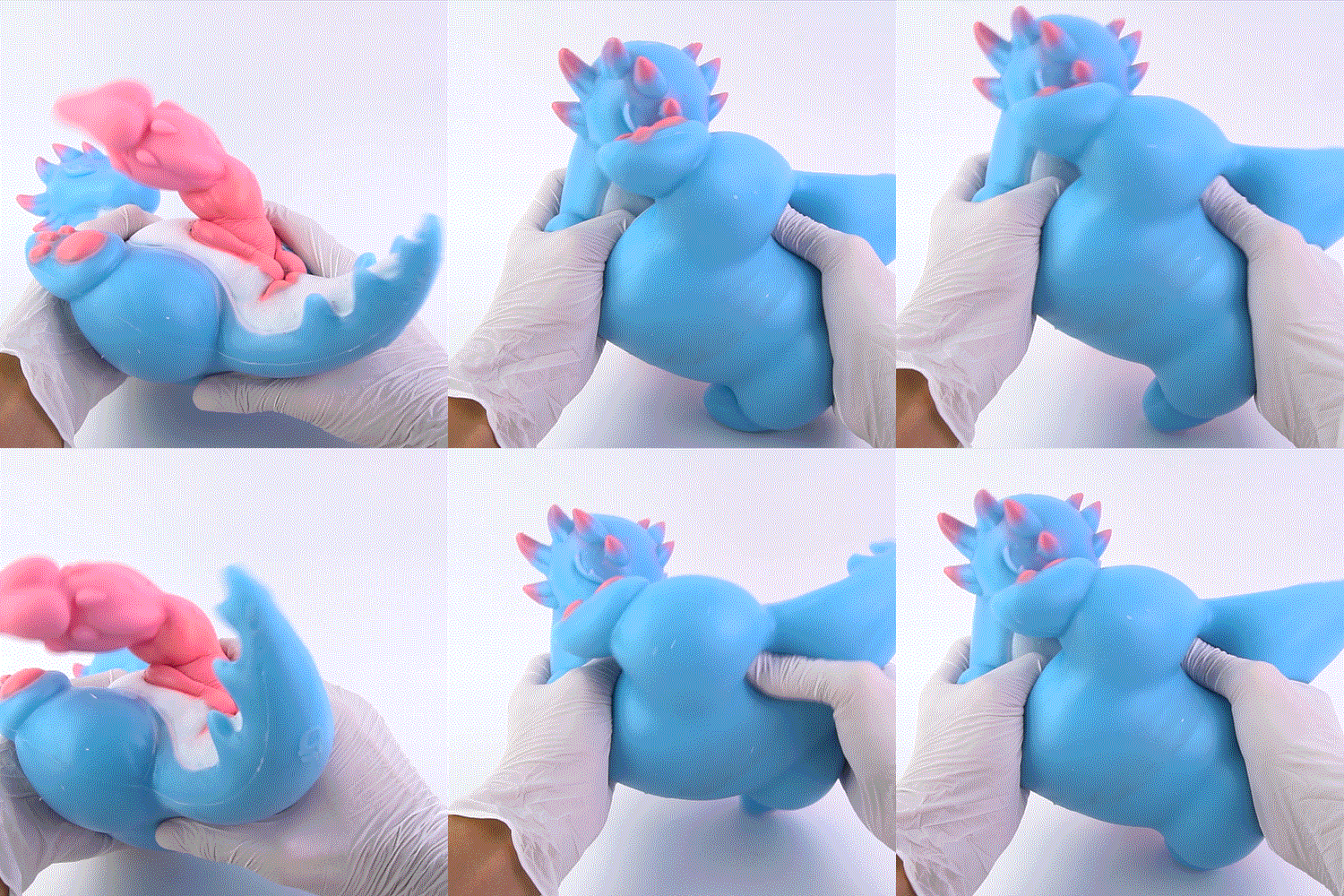
Für Benutzer, die speziellere Designs erkunden – einschließlich Fantasy-inspirierter Pocket Pussy Texturen oder anatomisch komplexer Strukturen – wird die Materialwahl noch kritischer.
Komplexe interne Details, wie sie in fortschrittlichen oder von Kreaturen inspirierten Designs zu finden sind, können ihre Integrität nur durch stabile, hochwertige Materialien bewahren.
👉 Entdecken Sie weitere Domlust Premium Sex Toys →
Warum dominiert TPE also immer noch?
Einfache Antwort:
Es ist einfacher, schneller und profitabler im großen Maßstab.
Für viele Marken macht dieser Kompromiss Sinn.
Aber für Benutzer, die etwas näher an echtem Realismus + Haltbarkeit suchen, ist die Materialwahl nicht zu ignorieren.
Fazit: Realismus wird konstruiert, nicht beworben
Wenn Sie das nächste Mal ein Produkt sehen, das als „ultra-realistisch“ bezeichnet wird, lohnt es sich zu fragen:
- Welches Material wird tatsächlich verwendet?
- Wie wird es hergestellt?
- Welche Kompromisse wurden gemacht, um diesen Preis zu erzielen?
Denn in dieser Branche ist der größte Unterschied nicht das, was Sie an der Oberfläche sehen.
Es ist alles, was dahinter passiert.
Über den Autor

Dr. Adrian Cole ist ein Silikonmaterialspezialist mit über 10 Jahren Erfahrung in der Entwicklung körpersicherer Polymertechnik und intimer Produktdesign.
Er hat eng mit Herstellern und Produktentwicklern zusammengearbeitet, um die Sicherheit, Weichheit und Haltbarkeit von silikonbasierten Produkten zu testen, zu analysieren und zu verbessern.
Sein Fachwissen konzentriert sich auf: Medizinische Silikon- vs. TPE-Materialien - Realistische Textursimulation - Langfristige Sicherheit und Wartung
Bei Domlust bietet Adrian detaillierte Produktanalysen, Materialvergleiche und benutzerorientierte Anleitungen, um Menschen dabei zu helfen, sicherere und fundiertere Entscheidungen zu treffen.